









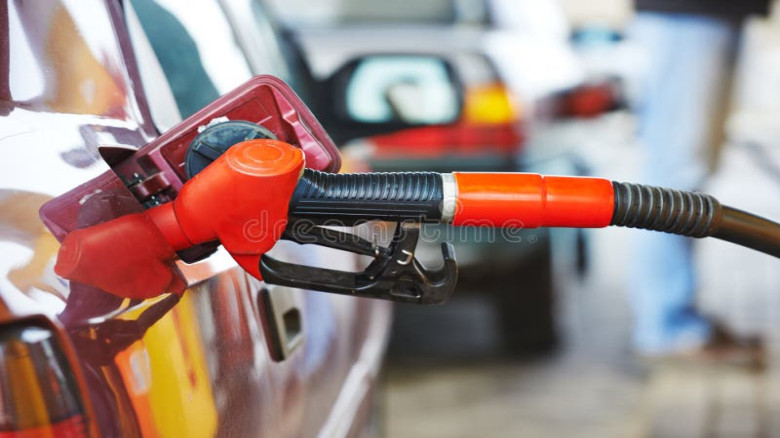
Ghana faces fuel price hike as oil surges after Iran attacks
Ghanaians could soon feel renewed pressure at the fuel pumps as global oil prices surge following fresh attacks on commercial vessels near the Strait of Hormuz — a critical shipping lane that carries about 20% of the world’s oil and gas supply.Cultural heritage tours
The price spike comes amid escalating tensions in the Middle East, where Iran has intensified strikes across the region in response to ongoing attacks by the United States and Israel.
The insecurity has rattled global energy markets, raising concerns about potential supply disruptions.
According to the UK Maritime Trade Operations (UKMTO), at least three ships were attacked near the Strait of Hormuz. Two vessels were hit by unknown projectiles, causing fires, while another projectile reportedly exploded very close to a third vessel. Authorities say the crew members are safe.
Iran has warned ships against passing through the strait, prompting many vessels to anchor in nearby waters rather than risk transit. Analysts say shipping activity at the entrance of the strait has slowed significantly due to security concerns and rising insurance costs.
In early Asian trading on Monday, global oil prices jumped by more than 10% before easing slightly. By 02:00 GMT, Brent crude was trading over 4% higher at $76.16 per barrel, while US-traded oil rose around 4% to $69.67.
For Ghana — a net importer of refined petroleum products — sustained increases in crude prices could translate into higher pump prices, increased transport fares, and upward pressure on food and commodity prices.
Energy analysts note that markets have not yet gone into full panic mode, as major oil production and transport infrastructure have not been directly targeted. However, they caution that if the conflict persists and shipping through the Strait of Hormuz remains restricted, prices could surge beyond $100 per barrel.
In an effort to stabilise the market, the OPEC+ group — which includes Saudi Arabia and Russia — agreed on Sunday to increase output by 206,000 barrels per day. Some experts, however, question whether this will be sufficient to cushion prolonged disruptions.
Leave A Comment